
Causes and Symptoms of Foot Bruises

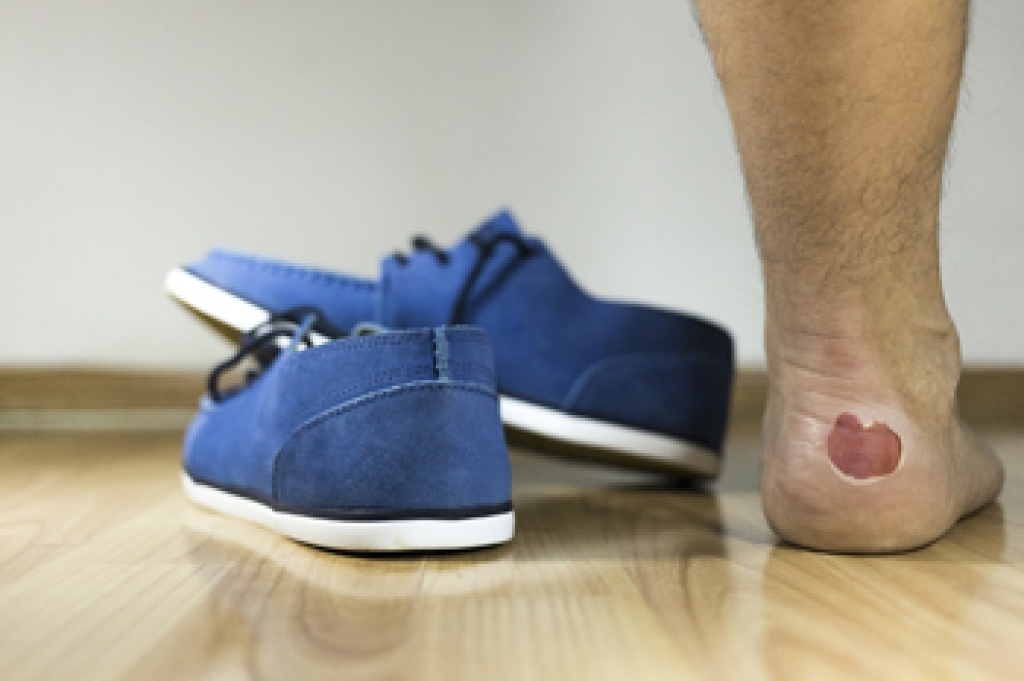
Foot bruises are common injuries that occur when small blood vessels beneath the skin break due to direct impact or repeated stress. This condition, also known as a contusion, can affect different parts of the foot including the toes, heels, and arches. Foot bruises may develop from everyday activities, such as walking long distances, participating in sports, or wearing poorly fitted shoes. Understanding how bruises form helps individuals recognize early signs and take proper action to protect foot health and mobility.

Symptoms of a foot bruise often include discoloration, swelling, and localized pain. The affected area may appear red, purple, or blue depending on the severity of the injury. Many people experience tenderness when pressure is applied, along with limited range of motion in the foot or toes. Weakness and discomfort can make walking difficult, especially if the heel or forefoot is involved. These symptoms may worsen if the injury is not given proper time to heal or if additional stress is placed on the area.


Several causes and risk factors contribute to foot bruises. Direct trauma such as dropping a heavy object on the foot or sudden impact during sports is a common cause. Repetitive stress from running or jumping can also lead to bruising over time. Wearing tight or unsupportive footwear increases pressure on certain areas, making bruises more likely. Individuals with active lifestyles or occupations that involve prolonged standing may face a higher risk of developing foot contusions or minor sprains.


Preventing foot bruises involves wearing supportive shoes, avoiding repetitive strain, and allowing time for recovery after physical activity. Early care such as rest and reducing pressure can help manage symptoms and promote healing. If foot bruises persist or worsen, it is suggested that you consult a podiatrist for effective relief and treatment solutions. 

Foot Pain

Foot pain can be extremely painful and debilitating. If you have a foot pain, consult with our doctors from Foot & Ankle Center of Oklahoma. Our doctors will assess your condition and provide you with quality foot and ankle treatment.

Causes

Foot pain is a very broad condition that could be caused by one or more ailments. The most common include:

  • Bunions
  • Hammertoes
  • Plantar Fasciitis
  • Bone Spurs
  • Corns
  • Tarsal Tunnel Syndrome
  • Ingrown Toenails
  • Arthritis (such as Gout, Rheumatoid, and Osteoarthritis)
  • Flat Feet
  • Injury (from stress fractures, broken toe, foot, ankle, Achilles tendon ruptures, and sprains)
  • And more

Diagnosis

To figure out the cause of foot pain, podiatrists utilize several different methods. This can range from simple visual inspections and sensation tests to X-rays and MRI scans. Prior medical history, family medical history, and any recent physical traumatic events will all be taken into consideration for a proper diagnosis.

Treatment

Treatment depends upon the cause of the foot pain. Whether it is resting, staying off the foot, or having surgery; podiatrists have a number of treatment options available for foot pain.

If you have any questions, please feel free to contact our offices located in Oklahoma City and Yukon, OK . We offer the newest diagnostic and treatment technologies for all your foot care needs.

Read more about Foot Pain

Gout Pain Can Be Managed

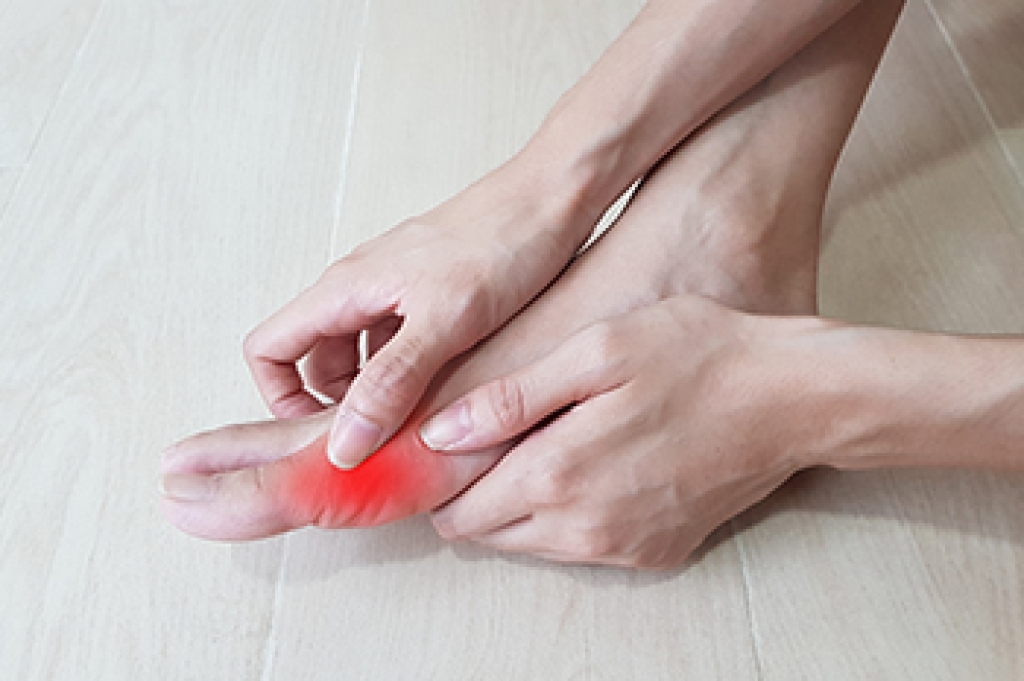
Gout is a painful, inflammatory form of arthritis. Those affected will typically feel an intense stiffness in the joints of their feet, particularly in the big toe. Schedule a visit to learn about how gout can be managed and treated.

Understanding Achilles Tendon Ruptures and Foot Health

An Achilles tendon rupture is a tear in the strong band of tissue that connects the calf muscles to the heel bone. This tendon helps you to push off the ground while walking, climbing stairs, and running. A rupture usually happens during a sudden movement, especially when changing direction or pushing off quickly. Many people describe hearing or feeling a pop at the back of the ankle when the injury occurs. Pain, swelling, and difficulty standing on the toes usually follow. Walking becomes difficult because the foot cannot push forward normally. Early evaluation is important because prompt diagnosis helps guide treatment and improves the chance of a successful recovery. Ignoring the injury can lead to ongoing weakness and reduced movement.

A podiatrist carefully examines the foot and ankle to confirm whether the tendon has torn. The examination includes checking movement, strength, and the position of the tendon. Imaging tests, like an ultrasound scan or MRI, can provide a clearer picture of the injury when necessary. Treatment depends on the severity of the tear and the patient's activity level. Some ruptures heal with a protective boot that holds the foot in a pointed position while the tendon repairs itself. Regular follow-up visits allow a podiatrist to monitor healing and adjust the treatment plan throughout recovery.

A podiatrist also helps patients return safely to normal activities by monitoring strength, balance, and foot function.  Wearing supportive shoes and custom orthotics can improve foot alignment and reduce strain on the healing tendon after treatment. Early care lowers the risk of another injury and helps restore confidence while walking. Careful monitoring also helps identify problems before they interfere with recovery. Following a personalized treatment plan gives the tendon the best opportunity to heal correctly. If you have symptoms of an Achilles tendon rupture, it is suggested that you promptly schedule an appointment with a podiatrist for effective relief and treatment solutions.

Achilles tendon injuries need immediate attention to avoid future complications. If you have any concerns, contact our doctors of Foot & Ankle Center of Oklahoma. Our doctors can provide the care you need to keep you pain-free and on your feet.

What Is the Achilles Tendon?

The Achilles tendon is a tendon that connects the lower leg muscles and calf to the heel of the foot. It is the strongest tendon in the human body and is essential for making movement possible. Because this tendon is such an integral part of the body, any injuries to it can create immense difficulties and should immediately be presented to a doctor.

What Are the Symptoms of an Achilles Tendon Injury?

There are various types of injuries that can affect the Achilles tendon. The two most common injuries are Achilles tendinitis and ruptures of the tendon.

Achilles Tendinitis Symptoms

  • Inflammation
  • Dull to severe pain
  • Increased blood flow to the tendon
  • Thickening of the tendon

Rupture Symptoms

  • Extreme pain and swelling in the foot
  • Total immobility

Treatment and Prevention

Achilles tendon injuries are diagnosed by a thorough physical evaluation, which can include an MRI. Treatment involves rest, physical therapy, and in some cases, surgery. However, various preventative measures can be taken to avoid these injuries, such as:

  • Thorough stretching of the tendon before and after exercise
  • Strengthening exercises like calf raises, squats, leg curls, leg extensions, leg raises, lunges, and leg presses

If you have any questions please feel free to contact our offices located in Oklahoma City and Yukon, OK . We offer the newest diagnostic tools and technology to treat your foot and ankle needs.
Read more about What are Achilles Tendon Injuries

How Flat Feet Can Affect Your Foot Health

Flat feet occur when the arches on the inside of the feet are very low or absent. As a result, most or all of the sole touches the ground while standing. Most babies are born with flat feet, but in time, the arch develops properly. If arches never develop, or if they collapse later in life, flat feet can cause pain or other problems with walking. Flat feet can be flexible, meaning an arch appears when the foot is not bearing weight. They can also be rigid, which means the arch is absent at all times. Because the arches help absorb shock and support body weight, changes in foot structure can place extra stress on muscles, tendons, and joints.

Flat feet can lead to a variety of foot and ankle problems. Common symptoms include foot aching in the arch, heel pain, and ankle discomfort. Some people notice fatigue in their feet after standing for long periods of time. Others develop swelling along the inside of the ankle. Flat feet can also change the way a person walks. This altered movement pattern can place added strain on the knees, hips, and lower legs. In some cases, the feet roll inward too much while walking, creating uneven pressure across the foot. A podiatrist can evaluate foot structure, examine walking patterns, and determine whether flat feet are contributing to pain or instability.

Identifying the cause of flat feet is an important part of treatment. Options include custom orthotics, supportive footwear recommendations, and other measures designed to improve foot function. Some patients benefit from bracing to provide added support. Severe cases can require surgery when pain is persistent and foot function is significantly affected. Early evaluation can help reduce strain on the feet and improve comfort while walking. Proper treatment can also help prevent related problems involving the ankles and lower limbs. If you have flat feet that cause discomfort, it is suggested that you schedule an appointment with a podiatrist for relief and management solutions.

Flatfoot is a condition many people suffer from. If you have flat feet, contact our doctors from Foot & Ankle Center of Oklahoma. Our doctors will treat your foot and ankle needs.

What Are Flat Feet?

Flatfoot is a condition in which the arch of the foot is depressed and the sole of the foot is almost completely in contact with the ground. About 20-30% of the population generally has flat feet because their arches never formed during growth.

Conditions & Problems:

Having flat feet makes it difficult to run or walk because of the stress placed on the ankles.

Alignment – The general alignment of your legs can be disrupted, because the ankles move inward which can cause major discomfort.

Knees – If you have complications with your knees, flat feet can be a contributor to arthritis in that area.  

Symptoms

  • Pain around the heel or arch area
  • Trouble standing on the tip toe
  • Swelling around the inside of the ankle
  • Flat look to one or both feet
  • Having your shoes feel uneven when worn

Treatment

If you are experiencing pain and stress on the foot you may weaken the posterior tibial tendon, which runs around the inside of the ankle. 

If you have any questions, please feel free to contact our offices located in Oklahoma City and Yukon, OK . We offer the newest diagnostic and treatment technologies for all your foot care needs.

Read more about Flatfoot

Understanding Clubfoot in Newborns and Early Childhood

Clubfoot is a congenital foot deformity that is present at birth and affects the position and structure of a baby’s foot. In this condition, the foot appears twisted downward and inward, which can make it difficult for the sole to rest flat on the ground. Clubfoot can affect one or both feet and varies in severity. It is not caused by how the baby is positioned in the womb, but rather by abnormalities in the muscles, tendons, and bones that develop before birth. Early diagnosis is important because timely treatment can significantly improve long-term function and mobility.

The symptoms of clubfoot are often visible immediately after birth. The foot may appear smaller than normal, with the heel turned inward and the arch exaggerated. The calf muscles on the affected side may also be underdeveloped. While clubfoot itself is not painful in infants, it can lead to discomfort and difficulty walking if left untreated. As a child grows, untreated clubfoot may result in abnormal walking patterns, limited range of motion, and pressure-related skin issues.

The exact cause of clubfoot is not always known, but several risk factors have been identified. Genetics can play a role, especially if there is a family history of the condition. Environmental factors during pregnancy may also contribute. Clubfoot develops as the tendons connecting the muscles to the bones are shorter and tighter than normal, which pulls the foot into an abnormal position. Boys are more commonly affected than girls, and the condition may occur alongside other developmental concerns.

Treatment typically begins shortly after birth and often includes gentle stretching, casting, and bracing to gradually correct the foot’s position. In some cases, minor surgical procedures may be needed to release tight tendons. Early intervention leads to the best outcomes and helps children achieve normal or near normal mobility. If your child has been born with clubfoot, it is suggested that you include a podiatrist on your healthcare team who can contribute to achieving optimum results.

Congenital foot problems require immediate attention to avoid future complications. If you have any concerns, contact our doctors of Foot & Ankle Center of Oklahoma. Our doctors can provide the care you need to keep you pain-free and on your feet.

Congenital foot problems are deformities affecting the feet, toes, and/or ankles that children are born with. Some of these conditions have a genetic cause while others just happen. Some specific foot ailments that children may be born with include clubfeet, polydactyly/macrodactyly, and cleft foot. There are several other foot anomalies that can occur congenitally. What all of these conditions have in common is that a child may experience difficulty walking or performing everyday activities, as well as trouble finding footwear that fits their foot deformity. Some of these conditions are more serious than others. Consulting with a podiatrist as early as possible will help in properly diagnosing a child’s foot condition while getting the necessary treatment underway.

What are Causes of Congenital Foot Problem?

A congenital foot problem is one that happens to a child at birth. These conditions can be caused by a genetic predisposition, developmental or positional abnormalities during gestation, or with no known cause.

What are Symptoms of Congenital Foot Problems?

Symptoms vary by the congenital condition. Symptoms may consist of the following:

  • Clubfoot, where tendons are shortened, bones are shaped differently, and the Achilles tendon is tight, causing the foot to point in and down. It is also possible for the soles of the feet to face each other.
  • Polydactyly, which usually consists of a nubbin or small lump of tissue without a bone, a toe that is partially formed but has no joints, or an extra toe.
  • Vertical talus, where the talus bone forms in the wrong position causing other bones in the foot to line up improperly, the front of the foot to point up, and the bottom of the foot to stiffen, with no arch, and to curve out.
  • Tarsal coalition, when there is an abnormal connection of two or more bones in the foot leading to severe, rigid flatfoot.
  • Cleft foot, where there are missing toes, a V-shaped cleft, and other anatomical differences.
  • Macrodactyly, when the toes are abnormally large due to overgrowth of the underlying bone or soft tissue.

Treatment and Prevention

While there is nothing one can do to prevent congenital foot problems, raising awareness and receiving neonatal screenings are important. Early detection by taking your child to a podiatrist leads to the best outcome possible.

If you have any questions, please feel free to contact our offices located in Oklahoma City and Yukon, OK . We offer the newest diagnostic and treatment technologies for all your foot care needs.

Read more about Congenital Foot Problems
Advanced Podiatric Procedures & Services in the Oklahoma County, OK: Oklahoma City, Nichols Hills, The Village, Warr Acres, Del City, Midwest City, Forest Park, Spencer, Jones, Nicoma Park, Choctaw, Canadian County, OK: Yukon, El Reno, Mustang, Piedmont, Union City, Crescent, Oklahoma City, Okarche, Cleveland County, OK: Norman, Moore, Noble, Lexington, Slaughterville, Purcell, Norman’s surrounding suburbs, Grady County, OK: Tuttle, Newcastle, Minco, Blanchard, Chickasha areas