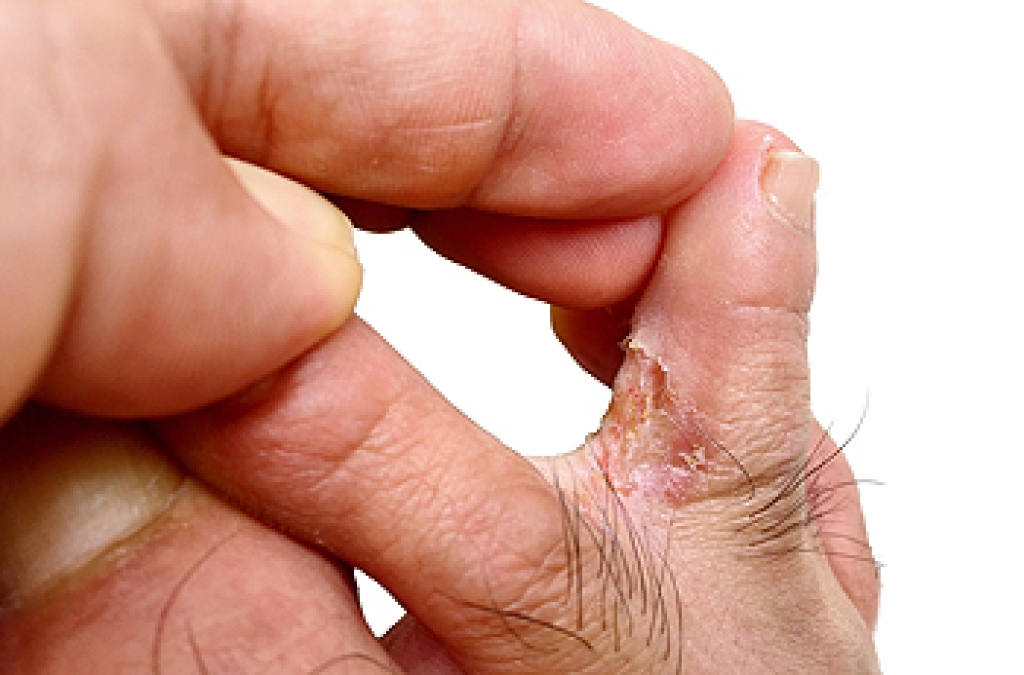
Foot Blood Blisters

A blood blister is a raised pocket of skin filled with blood that forms when small blood vessels beneath the surface are damaged. On the foot, this often occurs when the skin is pinched or crushed by tight shoes, repetitive friction, or sudden trauma. Athletes, people who stand for long periods, and those wearing ill-fitting footwear face higher risk. Symptoms include swelling, tenderness, redness, and discomfort while walking. Unlike clear blisters, blood blisters appear dark red or purple. A podiatrist can evaluate the injury, relieve pressure safely, help prevent infection, and recommend proper footwear or protective padding. If you have a painful foot blister, it is suggested that you consult a podiatrist who can offer effective relief, treatment and prevention tips.

Blisters are prone to making everyday activities extremely uncomfortable. If your feet are hurting, contact our doctors of Foot & Ankle Center of Oklahoma. Our doctors can provide the care you need to keep you pain-free and on your feet.

Foot Blisters

Foot blisters develop as a result of constantly wearing tight or ill-fitting footwear. This happens due to the constant rubbing from the shoe, which can often lead to pain.

What Are Foot Blisters?

A foot blister is a small fluid-filled pocket that forms on the upper-most layer of the skin. Blisters are filled with clear fluid and can lead to blood drainage or pus if the area becomes infected.

How Do Blisters Form?

Blisters on the feet are often the result of constant friction of skin and material, usually by shoe rubbing. Walking in sandals, boots, or shoes that don’t fit properly for long periods of time can result in a blister. Having consistent foot moisture and humidity can easily lead to blister formation.

Prevention & Treatment

It is important to properly care for the affected area in order to prevent infection and ease the pain. Do not lance the blister and use a Band-Aid to provide pain relief. Also, be sure to keep your feet dry and wear proper fitting shoes. If you see blood or pus in a blister, seek assistance from a podiatrist.

If you have any questions, please feel free to contact our offices located in Oklahoma City and Yukon, OK . We offer the newest diagnostic and treatment technologies for all your foot care needs.


Read more about Blisters on the Feet

Stages of Toenail Fungus

Toenail fungus, also known as onychomycosis, is a common infection that develops when fungi invade the nail through small cracks or separation from the nail bed. In the early stage, the nail may show mild discoloration or small white or yellow spots. As it progresses to a moderate stage, thickening, brittleness, and increased discoloration become more noticeable. In advanced stages, the nail may become severely thickened, distorted, painful, or separate from the nail bed. Causes include warm moist environments, minor nail trauma, and exposure in public areas. Risk factors include diabetes, poor circulation, aging, and weakened immunity. A podiatrist can diagnose the condition and provide effective treatment options. If you have symptoms of toenail fungus, it is suggested that you consult a podiatrist who can offer effective treatment, which may include prescribed medication.

For more information about treatment, contact our doctors of Foot & Ankle Center of Oklahoma. Our doctors can provide the care you need to keep you pain-free and on your feet.

Toenail Fungus Treatment

Toenail fungus is a condition that affects many people and can be especially hard to get rid of. Fortunately, there are several methods to go about treating and avoiding it.

Antifungals & Deterrence

Oral antifungal medicine has been shown to be effective in many cases. It is important to consult with a podiatrist to determine the proper regiment for you, or potentially explore other options.

Applying foot powder on the feet and shoes helps keep the feet free of moisture and sweat.

Sandals or open toed shoes – Wearing these will allow air movement and help keep feet dry. They also expose your feet to light, which fungus cannot tolerate. Socks with moisture wicking material also help as well.

If you have any questions please contact our offices located in Oklahoma City and Yukon, OK . We offer the newest diagnostic and treatment technologies for all your foot and ankle needs.

Read more about Treating Toenail Fungus

Understanding Metatarsal Fractures and Foot Pain

Metatarsals are the long bones in the middle of the foot that connect the ankle region to the toes and help support body weight during standing and walking. A fracture in one of these bones can occur from a sudden injury, such as a fall or direct impact, or from repeated stress, over time. Symptoms often include pain, swelling, bruising, and difficulty bearing weight on the affected foot. Some fractures develop gradually, and may feel like persistent soreness that worsens with activity. Proper diagnosis is important, since untreated breaks can heal poorly and alter foot mechanics. Management may involve rest, wearing protective footwear, immobilization, or other targeted care, depending on severity and location. Early treatment supports better healing and reduces the risk of long-term problems. If midfoot pain, swelling, or walking difficulty occurs, it is suggested that you see a podiatrist who can accurately diagnose and treat a broken foot.

A broken foot requires immediate medical attention and treatment. If you need your feet checked, contact our doctors from Foot & Ankle Center of Oklahoma. Our doctors can provide the care you need to keep you pain-free and on your feet.

Broken Foot Causes, Symptoms, and Treatment

A broken foot is caused by one of the bones in the foot typically breaking when bended, crushed, or stretched beyond its natural capabilities. Usually the location of the fracture indicates how the break occurred, whether it was through an object, fall, or any other type of injury. 

Common Symptoms of Broken Feet:

  • Bruising
  • Pain
  • Redness
  • Swelling
  • Blue in color
  • Numbness
  • Cold
  • Misshapen
  • Cuts
  • Deformities

Those that suspect they have a broken foot shoot seek urgent medical attention where a medical professional could diagnose the severity.

Treatment for broken bones varies depending on the cause, severity and location. Some will require the use of splints, casts or crutches while others could even involve surgery to repair the broken bones. Personal care includes the use of ice and keeping the foot stabilized and elevated.

If you have any questions, please feel free to contact our offices located in Oklahoma City and Yukon, OK . We offer the newest diagnostic and treatment technologies for all your foot care needs.

Read more about Causes, Symptoms, and Treatment for a Broken Foot

Let the Expert Treat Your Ingrown Toenails

Ingrown toenails can be painful and can make wearing shoes or walking uncomfortable. Seek professional help if you believe you've developed an ingrown toenail and be treated safely. 

Turf Toe and the Importance of Early Treatment

Turf toe is a sprain of the ligaments surrounding the big toe joint, usually caused by sudden hyperextension during sports or activities on firm surfaces. It commonly occurs when the toe bends upward beyond its normal range, placing stress on the soft tissues. A mild injury, or grade 1 injury, involves stretching of the ligaments with tenderness and slight swelling. A moderate injury, also known as a grade 2 injury, includes partial tearing with increased pain, swelling, and limited movement. A grade 3 injury, or severe injury, involves a complete tear, significant swelling, bruising, and difficulty bearing weight. Symptoms include pain at the base of the big toe and reduced flexibility. If you have symptoms of turf toe, it is suggested that you promptly consult a podiatrist who can offer effective relief and treatment techniques. 

Toe pain can disrupt your daily activities. If you have any concerns, contact our doctors of Foot & Ankle Center of Oklahoma. Our doctors can provide the care you need to keep you pain-free and on your feet.

What Causes Toe Pain?

Most severe toe pain is caused due to a sports injury, trauma from dropping something heavy on the toe, or bumping into something rigid. Other problems can develop over time for various reasons.

Toe pain can be caused by one or more ailments. The most common include:

  • Trauma
  • Sports injury
  • Wearing shoes that are too tight
  • Arthritis
  • Gout
  • Corns and calluses
  • Hammertoe
  • Bunions
  • Blisters
  • Ingrown toenails
  • Sprains
  • Fractures (broken bones)
  • Dislocations

When to See a Podiatrist

  • Severe pain
  • Persistent pain that lasts more than a week
  • Signs of infection
  • Continued swelling
  • Pain that prevents walking

Diagnosis

In many cases the cause of toe pain is obvious, but in others, a podiatrist may want to use more advanced methods to determine the problem. These can range from simple visual inspections and sensation tests to X-rays and MRI scans. Prior medical history, family medical history, and any recent physical traumatic events will all be taken into consideration for a proper diagnosis.

Treatment

Treatments for toe pain and injuries vary and may include shoe inserts, padding, taping, medicines, injections, and in some cases, surgery. If you believe that you have broken a toe, please see a podiatrist as soon as possible.

If you have any questions please contact our offices located in Oklahoma City and Yukon, OK . We offer the newest diagnostic and treatment technologies for all your foot and ankle needs.

Read more about Toe Pain
scroll to top