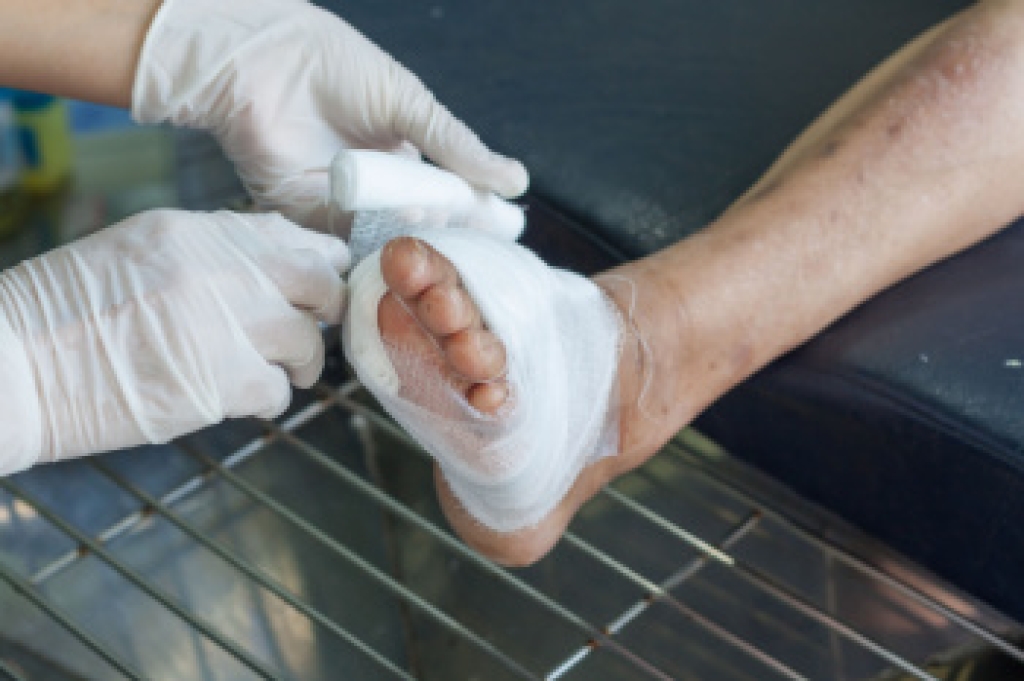
Getting Back to Sports After a Toe Fracture

A broken toe may seem minor, but fractures of the toe bones can make running, jumping, and even walking painful. Athletes often feel swelling, bruising, and discomfort when pushing off the ground. Because the toes help with balance and movement, proper healing is important before returning to sports. Treatment depends on how severe the break is. Many toe fractures can heal with rest, taping the injured toe to a neighboring one, and wearing a stiff-soled shoe to protect it. Limiting activity for several weeks allows the bone to recover. Elevation can also help reduce pain and swelling. Surgery may be needed if the bone is out of place, involves the joint, or does not heal correctly. In these cases, small pins or screws may be used to hold the bone in position. A safe return to sports should be gradual and guided by a podiatrist. If you have a toe injury, it is suggested that you see a podiatrist.

A broken toe can be very painful and lead to complications if not properly fixed. If you have any concerns about your feet, contact our doctors from Foot & Ankle Center of Oklahoma. Our doctors will treat your foot and ankle needs.

What to Know About a Broken Toe

Although most people try to avoid foot trauma such as banging, stubbing, or dropping heavy objects on their feet, the unfortunate fact is that it is a common occurrence. Given the fact that toes are positioned in front of the feet, they typically sustain the brunt of such trauma. When trauma occurs to a toe, the result can be a painful break (fracture).

Symptoms of a Broken Toe

  • Throbbing pain
  • Swelling
  • Bruising on the skin and toenail
  • The inability to move the toe
  • Toe appears crooked or disfigured
  • Tingling or numbness in the toe

Generally, it is best to stay off of the injured toe with the affected foot elevated.

Severe toe fractures may be treated with a splint, cast, and in some cases, minor surgery. Due to its position and the pressure it endures with daily activity, future complications can occur if the big toe is not properly treated.

If you have any questions, please feel free to contact our offices located in Oklahoma City and Yukon, OK . We offer the newest diagnostic and treatment technologies for all your foot care needs.


Read more about What to Know About a Broken Toe

Heel Pain in the Morning?

Heel pain can negatively affect your day-to-day life. Simple activities like walking can become incredibly uncomfortable or painful due to heel pain.

Don’t live with heel pain and get treated.

Dealing With Ankle Instability

When the ankle suddenly feels weak or rolls unexpectedly, it is often a sign of instability in the joint. One of the main causes of ankle instability is previous injuries, especially repeated sprains that stretch or tear the ligaments that hold the bones together. These ligaments can become loose, making the ankle more likely to roll or collapse. Muscle weakness and reduced balance can also play a role, as the body may not react quickly enough to keep the joint in place. Some patients feel sudden pain that makes the ankle give out, even when the joint is not fully loose. A podiatrist can evaluate the ankle, assess how it moves, and use imaging to identify damage or alignment issues. Treatment options include bracing, custom orthotics, or surgery to restore strength and stability. If you are experiencing ankle weakness, it is suggested that you make an appointment with a podiatrist for a diagnosis and treatment.

Ankle pain can be caused by a number of problems and may be potentially serious. If you have ankle pain, consult with our doctors from Foot & Ankle Center of Oklahoma. Our doctors will assess your condition and provide you with quality foot and ankle treatment.

Ankle pain is any condition that causes pain in the ankle. Due to the fact that the ankle consists of tendons, muscles, bones, and ligaments, ankle pain can come from a number of different conditions.

Causes

The most common causes of ankle pain include:

  • Types of arthritis (rheumatoid, osteoarthritis, and gout)
  • Ankle sprains
  • Broken ankles
  • Achilles tendonitis
  • Achilles tendon rupture
  • Stress fractures
  • Bursitis
  • Tarsal tunnel syndrome
  • Plantar fasciitis

Symptoms

Symptoms of ankle injury vary based upon the condition. Pain may include general pain and discomfort, swelling, aching, redness, bruising, burning or stabbing sensations, and/or loss of sensation.

Diagnosis

Due to the wide variety of potential causes of ankle pain, podiatrists will utilize a number of different methods to properly diagnose ankle pain. This can include asking for personal and family medical histories and of any recent injuries. Further diagnosis may include sensation tests, a physical examination, and potentially x-rays or other imaging tests.

Treatment

Just as the range of causes varies widely, so do treatments. Some more common treatments are rest, ice packs, keeping pressure off the foot, orthotics and braces, medication for inflammation and pain, and surgery.

If you have any questions please feel free to contact our offices located in Oklahoma City and Yukon, OK . We offer the newest diagnostic tools and technology to treat your foot and ankle needs.

Read more about Ankle Pain

New Approaches in Identifying and Managing Onychomycosis

Onychomycosis, a fungal infection of the nail that leads to thickening, discoloration, and brittle changes, is being approached with greater accuracy and more individualized care. Evaluation often includes lab testing, such as nail sampling with a microscopic evaluation or culture to confirm fungus before care begins, helping to avoid unnecessary or ineffective medications. Care options have also expanded beyond standard oral medications. Newer topical treatments are designed to better reach the nail bed, improving results for some patients. In certain cases, combining methods may offer better outcomes and lower the chance of recurrence. Daily foot care, keeping nails trimmed, and choosing breathable footwear all support long-term nail health. When nail changes persist or worsen despite home care, it is suggested that you see a podiatrist who can guide you toward the most appropriate next steps.

If left untreated, toenail fungus may spread to other toenails, skin, or even fingernails. If you suspect you have toenail fungus it is important to seek treatment right away. For more information about treatment, contact our doctors of Foot & Ankle Center of Oklahoma. Our doctors can provide the care you need to keep you pain-free and on your feet.

Symptoms

  • Warped or oddly shaped nails
  • Yellowish nails
  • Loose/separated nail
  • Buildup of bits and pieces of nail fragments under the nail
  • Brittle, broken, thickened nail

Treatment

If self-care strategies and over-the-counter medications does not help your fungus, your podiatrist may give you a prescription drug instead. Even if you find relief from your toenail fungus symptoms, you may experience a repeat infection in the future.

Prevention

In order to prevent getting toenail fungus in the future, you should always make sure to wash your feet with soap and water. After washing, it is important to dry your feet thoroughly especially in between the toes. When trimming your toenails, be sure to trim straight across instead of in a rounded shape. It is crucial not to cover up discolored nails with nail polish because that will prevent your nail from being able to “breathe”.

In some cases, surgical procedure may be needed to remove the toenail fungus. Consult with your podiatrist about the best treatment options for your case of toenail fungus.  

If you have any questions please contact our offices located in Oklahoma City and Yukon, OK . We offer the newest diagnostic and treatment technologies for all your foot and ankle needs.

Read more about How to Treat Your Toenail Fungus

Healthy Habits for Diabetic Feet

https://aging.idaho.gov/wp-content/uploads/2019/07/haa-diabetic-foot-care-resource-guide.pdf

Living with diabetes means paying extra attention to the feet, since changes in circulation and sensation can allow small issues to develop without early warning. A daily look at the skin helps you spot irritation, dryness, or minor injuries before they worsen. Gentle washing, careful drying between the toes, and regular moisturizing support healthier skin and reduce the chance of cracking. Choosing shoes that fit well and protect pressure points is equally important, as rubbing or tight areas can lead to sores that heal slowly. Trimming toenails straight across helps prevent ingrown edges, and any redness, swelling, or unusual warmth should be taken seriously. Routine podiatric care makes it easier to catch problems early and maintain comfortable mobility. If you notice color changes, numbness, or a spot that does not improve, it is suggested that you see a podiatrist for proper evaluation and guidance in diabetic foot care.

Diabetic foot care is important in preventing foot ailments such as ulcers. If you are suffering from diabetes or have any other concerns about your feet, contact our doctors from Foot & Ankle Center of Oklahoma. Our doctors can provide the care you need to keep you pain-free and on your feet.

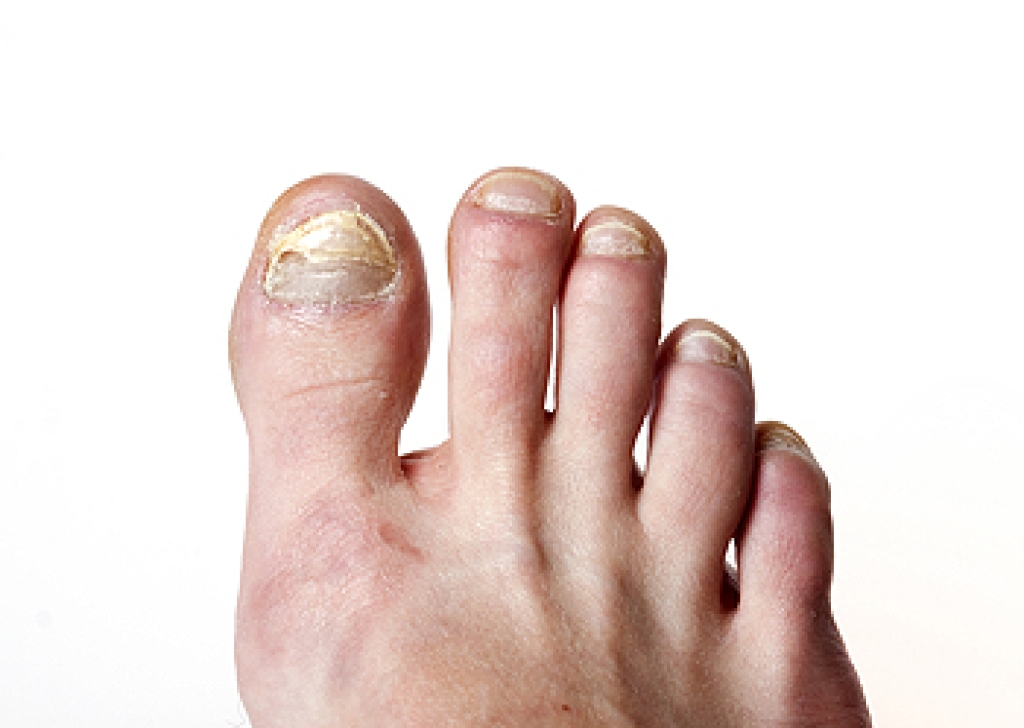
Diabetic Foot Care

Diabetes affects millions of people every year. The condition can damage blood vessels in many parts of the body, especially the feet. Because of this, taking care of your feet is essential if you have diabetes, and having a podiatrist help monitor your foot health is highly recommended.

The Importance of Caring for Your Feet

  • Routinely inspect your feet for bruises or sores.
  • Wear socks that fit your feet comfortably.
  • Wear comfortable shoes that provide adequate support.

Patients with diabetes should have their doctor monitor their blood levels, as blood sugar levels play such a huge role in diabetic care. Monitoring these levels on a regular basis is highly advised.

It is always best to inform your healthcare professional of any concerns you may have regarding your feet, especially for diabetic patients. Early treatment and routine foot examinations are keys to maintaining proper health, especially because severe complications can arise if proper treatment is not applied.

If you have any questions, please feel free to contact our offices located in Oklahoma City and Yukon, OK . We offer the newest diagnostic and treatment technologies for all your foot care needs.
Read more about How to Care for Diabetic Foot
scroll to top