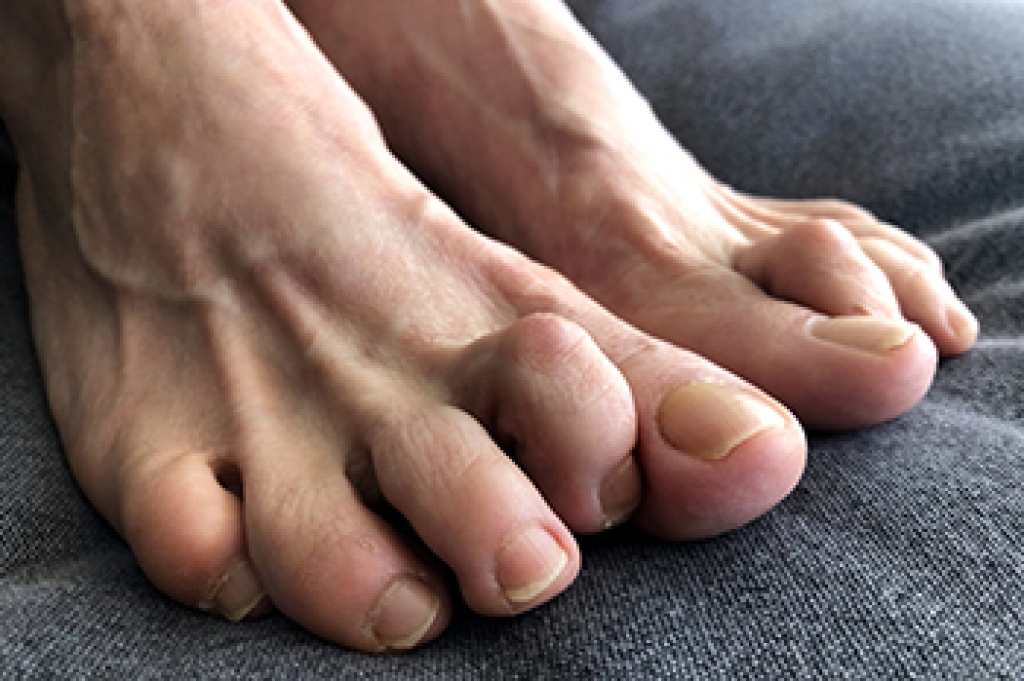
Causes and Symptoms of Corns

Foot corns develop as a result of repeated pressure or friction on the skin. They often appear as small, thickened areas of hardened skin, usually on the toes or areas of the foot that bear excessive pressure. In podiatry, corns are considered a protective response by the body, where skin builds up to shield underlying tissues from irritation. Although they may seem minor at first, corns can become painful and interfere with daily walking, if not properly managed. Symptoms of foot corns typically include a raised, hardened bump with a dense, hardened center. The surrounding skin may feel tender or sensitive, especially when pressure is applied through walking or wearing shoes. Some people experience a sharp or burning sensation in the affected area. Corns often develop gradually, and many people first notice discomfort when wearing tight or narrow footwear. The skin may become increasingly thick and uncomfortable, making it difficult to find relief without professional care.

The primary cause of foot corns is repeated friction or pressure. This is commonly linked to ill-fitting shoes that squeeze the toes or create uneven pressure points on the foot. Wearing high-heeled shoes, tight toe boxes, and shoes without proper support can all contribute to corn formation. Toe deformities such as hammertoes or bunions can also increase friction between toes or against footwear. In addition, walking or standing for long periods of time on hard surfaces can increase the likelihood of developing corns due to constant pressure on specific areas of the foot.


Risk factors for foot corns include improper footwear, having foot deformities, and participating in activities that place repetitive stress on the feet. Individuals with diabetes or circulation issues may be at a higher risk for complications, as skin changes in the feet should be monitored closely. Without treatment, corns may continue to grow and become more painful, potentially leading to changes in gait or posture as a result of trying to avoid discomfort.


A podiatrist can diagnose foot corns through a simple physical examination and determine the underlying cause of pressure or friction. Treatment may involve removing thickened skin, recommending proper footwear, and addressing biomechanical issues that contribute to corn formation. Custom orthotics or padding may also be used to reduce pressure and prevent recurrence. If you have symptoms of a corn, it is suggested that you consult a podiatrist for effective relief solutions and prevention tips.

If you have any concerns regarding your feet and ankles, contact our doctors of Foot & Ankle Center of Oklahoma. Our doctors will treat your foot and ankle needs.

Corns: What Are They? and How Do You Get Rid of Them?
Corns can be described as areas of the skin that have thickened to the point of becoming painful or irritating. They are often layers and layers of the skin that have become dry and rough, and are normally smaller than calluses.

Ways to Prevent Corns
There are many ways to get rid of painful corns such as wearing:

  • Well-fitting socks
  • Comfortable shoes that are not tight around your foot
  • Shoes that offer support

Treating Corns
Treatment of corns involves removing the dead skin that has built up in the specific area of the foot. Consult with Our doctors to determine the best treatment option for your case of corns.

If you have any questions, please feel free to contact our offices located in Oklahoma City and Yukon, OK . We offer the newest diagnostic and treatment technologies for all your foot care needs.


Read more about Everything You Need to Know About Corns

Do You Suffer From Painful Feet?

Painful deformities, such as hammertoes, can be treated. Stop living with foot pain, and have beautiful feet again!

An Easy Stretch for Feet and Ankles

If you are an athlete, then you are likely aware of the many foot and ankle injuries one might face while participating in sports. The feet and ankles are the foundations of the body, but they undergo a lot of wear and tear during most physical activity. Because of this, it is important to stretch your feet and ankles, giving them the strength and flexibility that they need to work out. One easy stretch that you can do is standing in front of a wall and placing the toes of one foot on that wall while keeping your heel on the floor. Flex the foot and hold for 10 to 15 seconds. You should feel a stretch in your foot and calf. For more information about stretches for your foot and ankle health, it is suggested that you consult with a podiatrist today.

Stretching the feet is a great way to prevent injuries. If you have any concerns with your feet consult with our doctors from Foot & Ankle Center of Oklahoma. Our doctors will assess your condition and provide you with quality foot and ankle treatment.

Stretching the Feet

Being the backbone of the body, the feet carry your entire weight and can easily become overexerted, causing cramps and pain. As with any body part, stretching your feet can serve many benefits. From increasing flexibility to even providing some pain relief, be sure to give your feet a stretch from time to time. This is especially important for athletes or anyone performing aerobic exercises, but anyone experiencing foot pain or is on their feet constantly should also engage in this practice.

Great ways to stretch your feet:

  • Crossing one leg over the others and carefully pull your toes back. Do 10-20 repetitions and repeat the process for each foot
  • Face a wall with your arms out and hands flat against the wall. Step back with one foot and keep it flat on the floor while moving the other leg forward. Lean towards the wall until you feel a stretch. Hold for 30 seconds and perform 10 repetitions for each foot
  • Be sure not to overextend or push your limbs too hard or you could risk pulling or straining your muscle

Individuals who tend to their feet by regular stretching every day should be able to minimize foot pain and prevent new problems from arising.

If you have any questions please contact our offices located in Oklahoma City and Yukon, OK . We offer the newest diagnostic and treatment technologies for all your foot and ankle needs.

Read more about Stretching Your Feet

Facts About Peripheral Neuropathy in the Feet

Peripheral neuropathy develops when nerves outside the brain and spinal cord become damaged. In the feet, this problem can cause numbness, burning pain, tingling, or weakness. Some people feel like they are wearing socks when barefoot. Others lose feeling in the toes or soles of the feet. Diabetes is one of the most common causes of peripheral neuropathy. Other causes include vitamin deficiencies, certain medications, and cancer treatments. Poor nerve function can affect balance and make walking more difficult. It can also increase the risk of cuts, sores, and infections because people may not feel injuries right away. A podiatrist can examine the feet, test nerve function, and look for skin or circulation problems linked to neuropathy. Treatment includes custom orthotics, wearing protective footwear, and care for wounds or pressure areas. If you have symptoms of peripheral neuropathy in the feet, it is suggested that you schedule an appointment with a podiatrist.

Neuropathy

Neuropathy can be a potentially serious condition, especially if it is left undiagnosed. If you have any concerns that you may be experiencing nerve loss in your feet, consult with our doctors from Foot & Ankle Center of Oklahoma. Our doctors will assess your condition and provide you with quality foot and ankle treatment for neuropathy.

What Is Neuropathy?

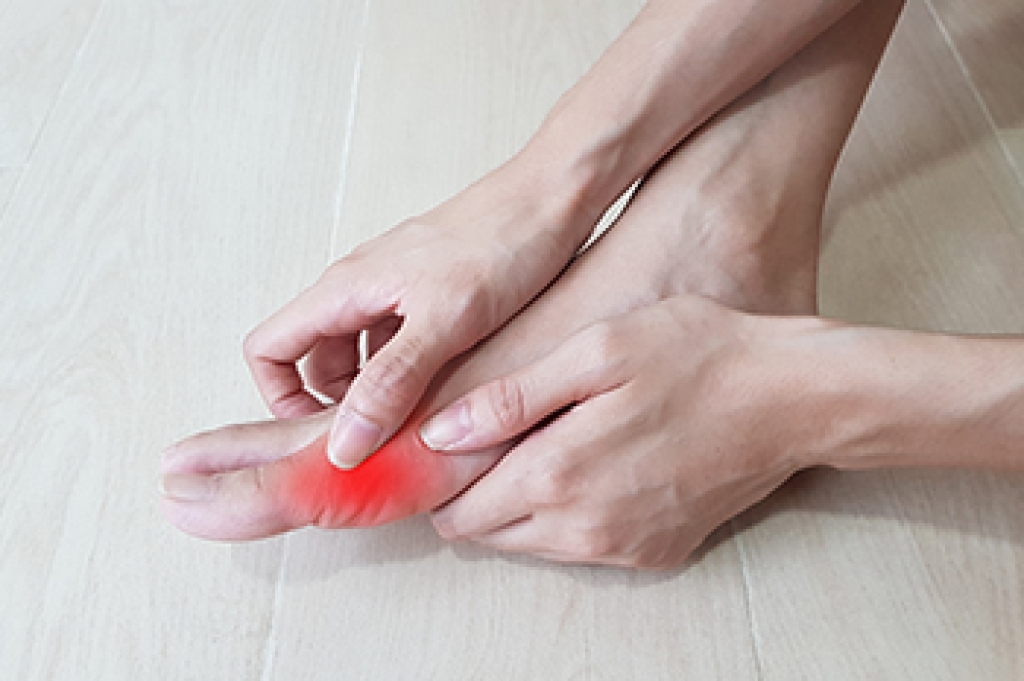
Neuropathy is a condition that leads to damage to the nerves in the body. Peripheral neuropathy, or neuropathy that affects your peripheral nervous system, usually occurs in the feet. Neuropathy can be triggered by a number of different causes. Such causes include diabetes, infections, cancers, disorders, and toxic substances.

Symptoms of Neuropathy Include:

  • Numbness
  • Sensation loss
  • Prickling and tingling sensations
  • Throbbing, freezing, burning pains
  • Muscle weakness

Those with diabetes are at serious risk due to being unable to feel an ulcer on their feet. Diabetics usually also suffer from poor blood circulation. This can lead to the wound not healing, infections occurring, and the limb may have to be amputated.

Treatment

To treat neuropathy in the foot, podiatrists will first diagnose the cause of the neuropathy. Figuring out the underlying cause of the neuropathy will allow the podiatrist to prescribe the best treatment, whether it be caused by diabetes, toxic substance exposure, infection, etc. If the nerve has not died, then it’s possible that sensation may be able to return to the foot.

Pain medication may be issued for pain. Electrical nerve stimulation can be used to stimulate nerves. If the neuropathy is caused from pressure on the nerves, then surgery may be necessary.

If you have any questions, please feel free to contact our offices located in Oklahoma City and Yukon, OK . We offer the newest diagnostic and treatment technologies for all your foot care needs.
Read more about Neuropathy

Ankle Warm-Up Exercises to Improve Strength

Ankle warm-up exercises are important for preparing the feet and lower legs for activity and reducing the risk of injury. Gentle movement increases blood flow and helps improve flexibility and stability. Achilles tendon stretching involves lengthening the calf muscles by placing one foot behind, and pressing the heel toward the ground. Ankle inversion focuses on turning the sole inward to strengthen supporting muscles, while ankle eversion involves turning the sole outward to improve balance and control. These exercises can support better movement and reduce strain during daily activities or sports. A podiatrist can recommend a personalized routine and ensure proper technique for safe results. If you have injured your ankle, it is suggested that you consult a podiatrist who can offer appropriate treatment solutions, and provide additional guidance on ankle exercises.

Exercising your feet regularly with the proper foot wear is a great way to prevent injuries and build strength. If you have any concerns about your feet, contact our doctors from Foot & Ankle Center of Oklahoma. Our doctors can provide the care you need to keep you pain-free and on your feet.

Exercise for Your Feet

Exercise for your feet can help you gain strength, mobility and flexibility in your feet. They say that strengthening your feet can be just as rewarding as strengthening another part of the body. Your feet are very important, and we often forget about them in our daily tasks. But it is because of our feet that are we able to get going and do what we need to. For those of us fortunate enough to not have any foot problems, it is an important gesture to take care of them to ensure good health in the long run.

Some foot health exercises can include ankle pumps, tip-toeing, toe rises, lifting off the floor doing reps and sets, and flexing the toes. It is best to speak with Our doctors to determine an appropriate regimen for your needs. Everyone’s needs and bodies are different, and the activities required to maintain strength in the feet vary from individual to individual. 

Once you get into a routine of doing regular exercise, you may notice a difference in your feet and how strong they may become.

If you have any questions, please feel free to contact our offices located in Oklahoma City and Yukon, OK . We offer the newest diagnostic and treatment technologies for all your foot care needs.

Read more about Exercise for Your Feet
Advanced Podiatric Procedures & Services in the Oklahoma County, OK: Oklahoma City, Nichols Hills, The Village, Warr Acres, Del City, Midwest City, Forest Park, Spencer, Jones, Nicoma Park, Choctaw, Canadian County, OK: Yukon, El Reno, Mustang, Piedmont, Union City, Crescent, Oklahoma City, Okarche, Cleveland County, OK: Norman, Moore, Noble, Lexington, Slaughterville, Purcell, Norman’s surrounding suburbs, Grady County, OK: Tuttle, Newcastle, Minco, Blanchard, Chickasha areas