When Heel Pain Slows Every Step

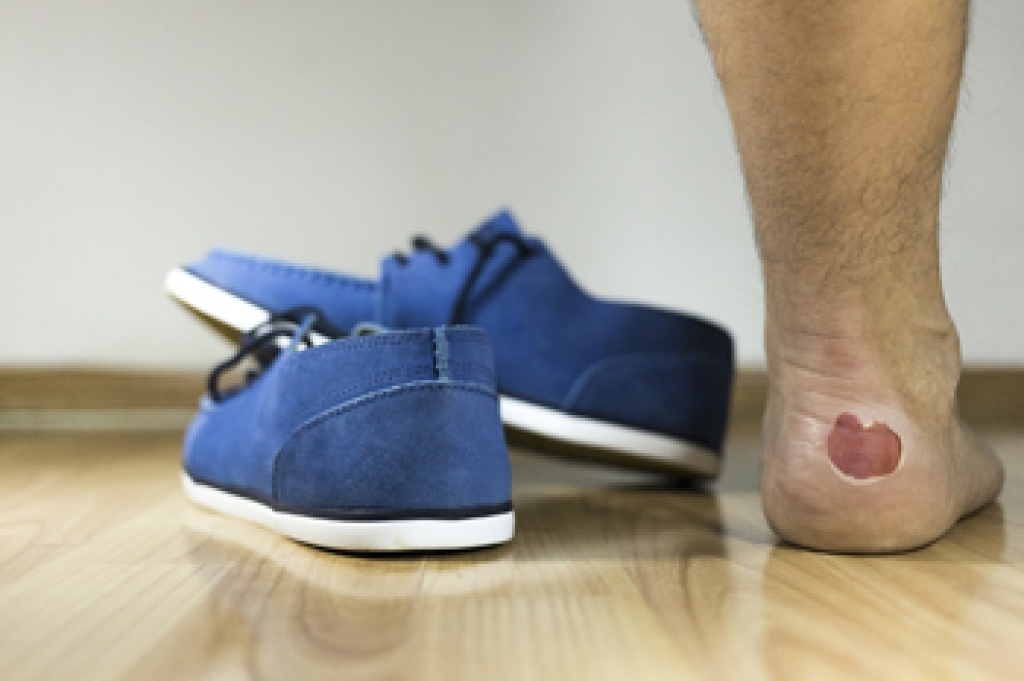
Plantar fasciitis is one of the most common causes of heel pain and occurs when the plantar fascia becomes irritated or inflamed. The condition may not always show visible changes, but the heel can appear slightly swollen or tender to touch. It often feels like a sharp or stabbing pain in the heel or arch, especially with the first steps in the morning or after periods of rest. Pain may lessen with movement but return after long periods of standing or activity. A podiatrist can help from the start by reviewing symptoms, examining foot structure and gait, and confirming the diagnosis while ruling out other causes of heel pain. Treatment options may include stretching programs, footwear recommendations, night splints, and anti-inflammatory care. Early podiatric treatment can reduce pain, improve function, and prevent chronic symptoms. If you are dealing with heel pain, it is suggested that you make an appointment with a podiatrist. 

Plantar fasciitis is a common foot condition that is often caused by a strain injury. If you are experiencing heel pain or symptoms of plantar fasciitis, contact our doctors from Foot & Ankle Center of Oklahoma. Our doctors can provide the care you need to keep you pain-free and on your feet.

What Is Plantar Fasciitis?

Plantar fasciitis is one of the most common causes of heel pain. The plantar fascia is a ligament that connects your heel to the front of your foot. When this ligament becomes inflamed, plantar fasciitis is the result. If you have plantar fasciitis you will have a stabbing pain that usually occurs with your first steps in the morning. As the day progresses and you walk around more, this pain will start to disappear, but it will return after long periods of standing or sitting.

What Causes Plantar Fasciitis?

  • Excessive running
  • Having high arches in your feet
  • Other foot issues such as flat feet
  • Pregnancy (due to the sudden weight gain)
  • Being on your feet very often

There are some risk factors that may make you more likely to develop plantar fasciitis compared to others. The condition most commonly affects adults between the ages of 40 and 60. It also tends to affect people who are obese because the extra pounds result in extra stress being placed on the plantar fascia.

Prevention

  • Take good care of your feet – Wear shoes that have good arch support and heel cushioning.
  • Maintain a healthy weight
  • If you are a runner, alternate running with other sports that won’t cause heel pain

There are a variety of treatment options available for plantar fasciitis along with the pain that accompanies it. Additionally, physical therapy is a very important component in the treatment process. It is important that you meet with your podiatrist to determine which treatment option is best for you.

If you have any questions, please feel free to contact our offices located in Oklahoma City and Yukon, OK . We offer the newest diagnostic and treatment technologies for all your foot care needs.


Read more about Plantar Fasciitis

Managing Fungal Infections

Toenail fungus is a common condition caused by fungal organisms that thrive in warm, damp environments, such as shoes, locker rooms, and public showers. It often begins as a small discoloration and may look yellow, white, or brown, with nails becoming thick, brittle, crumbly, or distorted, over time. Some people notice an unpleasant odor or debris under the nail. Toenail fungus may feel uncomfortable, sensitive, or painful, especially when pressure is applied from footwear, although it can also be painful in early stages. A podiatrist can help from the start by examining the nails, confirming the diagnosis through testing when needed, and ruling out other nail disorders. Treatment options may include topical medications, professional nail care, and guidance on foot hygiene to prevent recurrence. Early treatment can improve nail appearance and comfort while limiting spread. If you have symptoms of toenail fungus, it is suggested that you schedule an appointment with a podiatrist for appropriate treatment solutions.

If left untreated, toenail fungus may spread to other toenails, skin, or even fingernails. If you suspect you have toenail fungus it is important to seek treatment right away. For more information about treatment, contact our doctors of Foot & Ankle Center of Oklahoma. Our doctors can provide the care you need to keep you pain-free and on your feet.

Symptoms

  • Warped or oddly shaped nails
  • Yellowish nails
  • Loose/separated nail
  • Buildup of bits and pieces of nail fragments under the nail
  • Brittle, broken, thickened nail

Treatment

If self-care strategies and over-the-counter medications does not help your fungus, your podiatrist may give you a prescription drug instead. Even if you find relief from your toenail fungus symptoms, you may experience a repeat infection in the future.

Prevention

In order to prevent getting toenail fungus in the future, you should always make sure to wash your feet with soap and water. After washing, it is important to dry your feet thoroughly especially in between the toes. When trimming your toenails, be sure to trim straight across instead of in a rounded shape. It is crucial not to cover up discolored nails with nail polish because that will prevent your nail from being able to “breathe”.

In some cases, surgical procedure may be needed to remove the toenail fungus. Consult with your podiatrist about the best treatment options for your case of toenail fungus.  

If you have any questions please contact our offices located in Oklahoma City and Yukon, OK . We offer the newest diagnostic and treatment technologies for all your foot and ankle needs.

Read more about Toenail Fungus

Different Forms of Gout

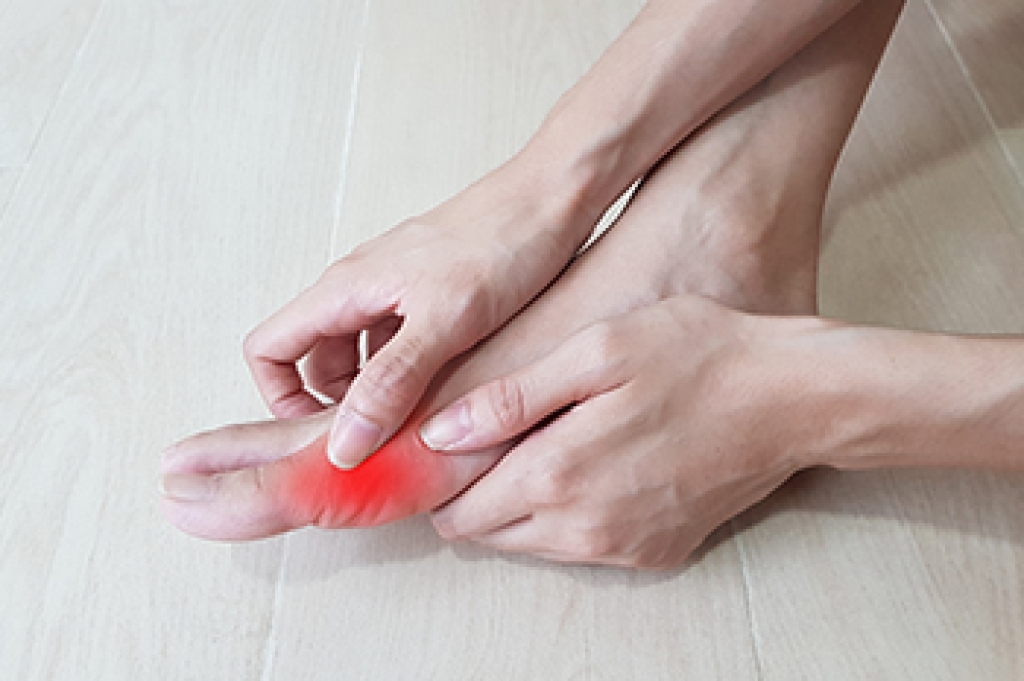
Gout results from a buildup of uric acid in the body and most commonly affects the big toe. Noticeable symptoms of gout are an intense burning pain, along with swelling and redness.  It is also possible to have a buildup of uric acid, but experience no symptoms. This form of gout is called asymptomatic gout. Additionally, there are acute gout symptoms, which can last for three to 10 days, but are not present outside of gout attacks. If gout goes untreated, it can lead to chronic gout, which is much harder to manage. Chronic gout can cause hard lumps to form in joints and tissues surrounding them. These lumps can cause permanent damage. If you think you are suffering from gout, then it is suggested that you speak with a podiatrist for help in managing this condition.

Gout is a foot condition that requires certain treatment and care. If you are seeking treatment, contact our doctors from Foot & Ankle Center of Oklahoma. Our doctors will treat your foot and ankle needs.

What Is Gout?

Gout is a type of arthritis caused by a buildup of uric acid in the bloodstream. It often develops in the foot, especially the big toe area, although it can manifest in other parts of the body as well. Gout can make walking and standing very painful and is especially common in diabetics and the obese.

People typically get gout because of a poor diet. Genetic predisposition is also a factor. The children of parents who have had gout frequently have a chance of developing it themselves.

Gout can easily be identified by redness and inflammation of the big toe and the surrounding areas of the foot. Other symptoms include extreme fatigue, joint pain, and running high fevers. Sometimes corticosteroid drugs can be prescribed to treat gout, but the best way to combat this disease is to get more exercise and eat a better diet.

If you have any questions, please feel free to contact our offices located in Oklahoma City and Yukon, OK . We offer the newest diagnostic and treatment technologies for all your foot care needs.

Read more about Everything You Need to Know About Gout

Reminder: When Was the Last Time...?

Custom orthotics, or shoe inserts, should be periodically replaced. Orthotics must fit properly to give you the best results. Protect your feet and ankles!

Common Foot Troubles Runners Need to Watch For

Runners push their feet through repetitive impact, quick transitions, and changing terrains, which makes certain running injuries more likely to develop. Sore arches, tight calves, and aching heels are common early signs that the tissues are working harder than they should. Over time, this strain can lead to plantar fasciitis, stress reactions in the bones, tendon irritation, or painful blisters that make every step feel more demanding. Some runners also notice numbness, burning, or tingling when shoes are too tight or if the foot structure needs more support. These issues often start small, but can quickly disrupt training if ignored. Paying attention to shoe fit, gradually increasing mileage, and allowing proper recovery between runs can make a significant difference. Listening to early symptoms helps prevent long-term injury and keeps running enjoyable. If discomfort persists, interferes with your stride, or continues after rest, it is suggested that you see a podiatrist for evaluation and appropriate care.

Exercising your feet regularly with the proper foot wear is a great way to prevent injuries. If you have any concerns about your feet, contact our doctors of Foot & Ankle Center of Oklahoma. Our doctors will treat your foot and ankle needs.

How to Prevent Running Injuries

Many common running injuries are caused by overuse and overtraining. When the back of the kneecap starts wearing out and starts causing pain in your knee, this is commonly referred to as runner’s knee. Runner’s knee is a decrease in strength in your quadriceps and can occur if you’re not wearing properly fitted or supporting shoes. To prevent runner’s knee, focusing on hip strengthening is a good idea, as well as strengthening your quads to keep the kneecaps aligned.

What Are Some Causes of Running Injuries? 
- One cause of a common running injury is called iliotibial band syndrome.
- Plantar fasciitis is also another common injury.
- Stress fractures can occur from overtraining, lack of calcium, or even your running style.

Best Ways to Prevent Running Injuries
- Wear footwear that fits properly and suits your running needs.
- Running shoes are the only protective gear that runners have to safeguard them from injury.
- Make a training schedule. Adding strengthening exercises as well as regular stretching can help keep you strong and limber and can lessen the possibility of injuries.
- Stretching keeps muscles limber; this will help you gain better flexibility.

If you have any questions, please feel free to contact our offices located in Oklahoma City and Yukon, OK . We offer the newest diagnostic and treatment technologies for all your foot care needs.

Read more about How to Prevent Running Injuries
scroll to top